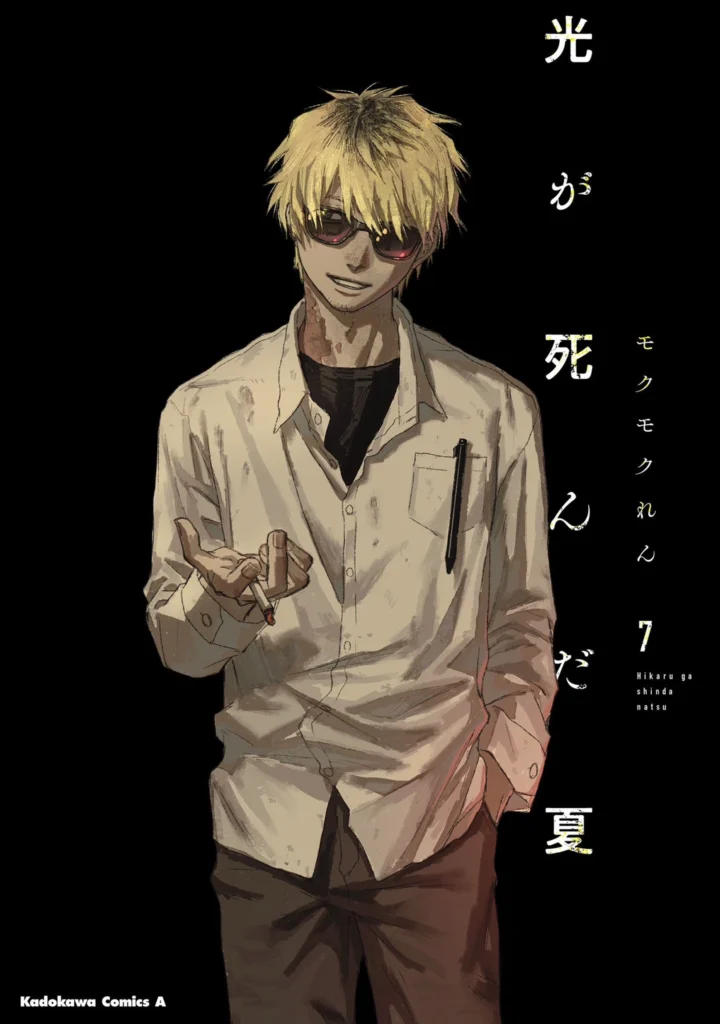
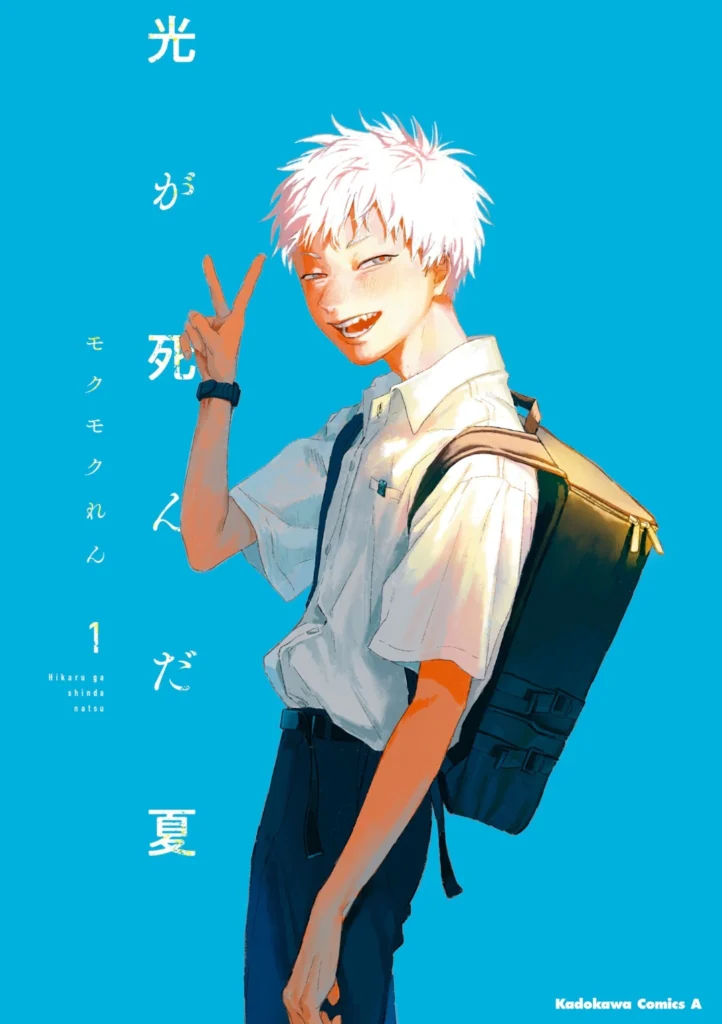

“Two boys lived in a village: Yoshiki and Hikaru. The two did everything together…until the day Hikaru was encompassed by a mysterious light. That was when everything changed – Hikaru most of all. Yoshiki still wishes from the bottom of his heart to always stay by his side…but is there even a Hikaru left to be with?”
SPOILERS AHEAD! WILL CONTAIN MANGA PANELS!
A Refreshing Spin on the 'Boy Love' Genre
The Summer Hikaru Died by pen name Mokumokuren is a captivating story that unifies LGBTQ+ themes with a lovecraftian twist that explores the difficulties of grappling with complexities of sexuality and what it means to exist in a society that often marginalize those who are do not fit the status quo which is submitting to heteronormativity. As manga and anime get released every year, rarely does a distinctly queer subject is placed in the forefront of popular themes when it comes to anime. Typically, it is a hyperbolic pursuit for power and glory. And do not get me wrong, I do enjoy a good shounen about an ambitious, heterosexual, male teens constantly pushing the power scale to its limit. In fact, a vast majority of my saved manga is shounen. However, The Summer Hikaru Died brings a fresh and open-minded perspective into the mainstream. As a queer person myself, The Summer Hikaru Died brings a much needed nuance to a topic in a space that is not often executed with grace and thoughtfulness as it unpacks the existential horror of discovering your queerness in a space that does not welcome you.
What Makes 'The Summer Hikaru Died' A Compelling Horror Story?
What makes the horror aspect of this story so impactful is not just how scary it is but it’s ability to pry open inner fears of the human condition. It is an psychological experience which masterful blends emotional ambiguity and false sense of security which leans itself into the uncanny valley. It is an intimate horror, that explores the intense relationship between the two boys, Yoshiki and ‘Hikaru’ and the horror when familiarity turns wrong.
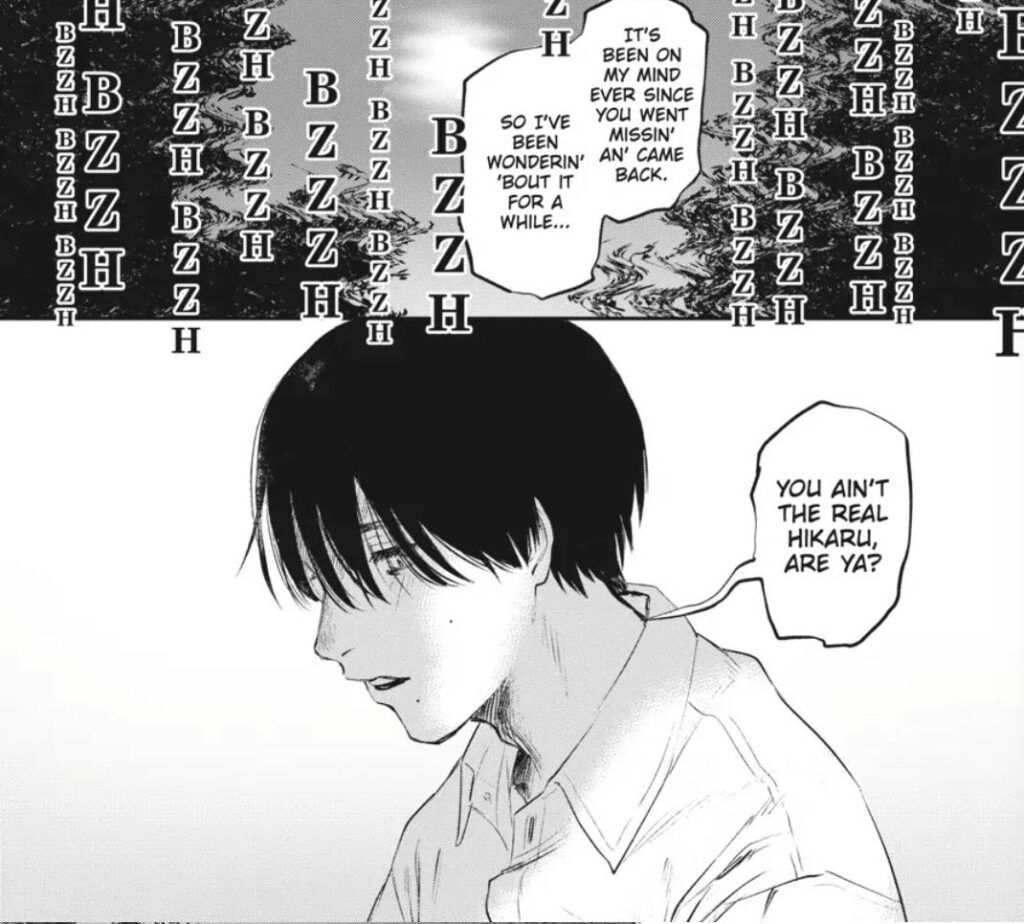
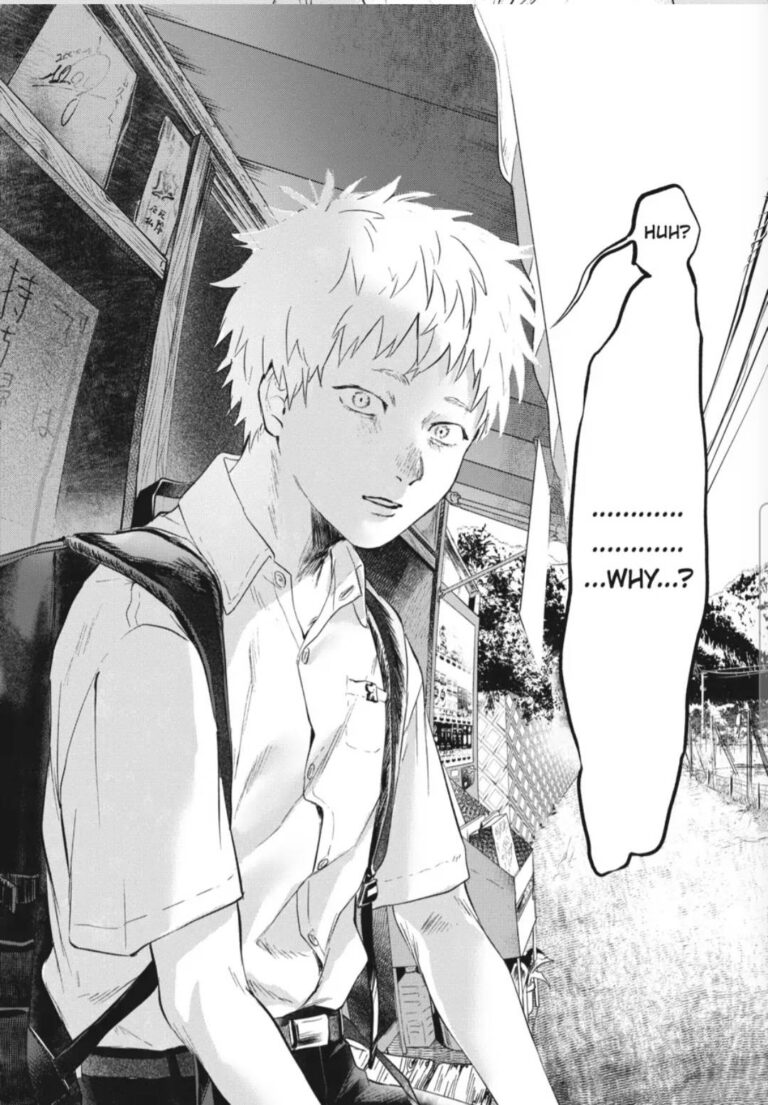
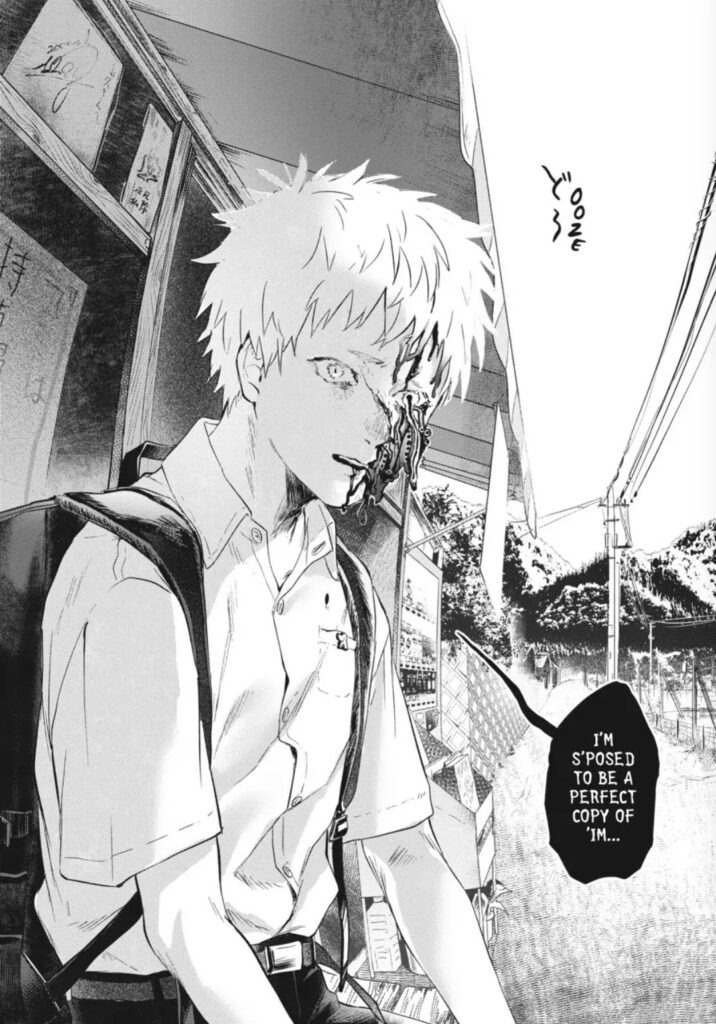
At its core, the story isn’t about monsters or gore – it’s about grief and love. The horror isn’t just that “Hikaru” is inhuman, but that Yoshiki still wants him by his side. Imagine the dread of finding out the one that you deeply care for, the most central person in your life is not only deceased, but something ancient and sinister has taken over their vessel. In these moments, Mokumokuren is able to take the reader in the mindset of Yoshiki. I often find myself asking:
“If this was my crush/lover, how would I be able to handle this situation?”
This emotional conflict is the heart of the story. Mokumokuren masterful blends psychological and emotional horror that transports the reader in Yoshiki’s shoes. This inner conflict within Yoshiki of refusing to let go of Hikaru while also taking on the huge and horrifying burden that comes with it lends itself a unique flavor of horror that doesn’t need a jumpscare, a gory scene, or even a scream. In fact it’s something that is more horrible than the things that you could run away from. It’s what you can’t easily run away from that makes the chest tighten with anxiety; your emotions.
"...I Want You To Be By My Side Even If You Are Fake..."
As stated in the begining, The Summer Hikaru Died isn’t about monsters or death it’s about grief. The story begins with a tragedy: Yoshiki’s best friend, Hikaru, dies. But then, something wearing Hikaru’s face comes back. That mind boggling event seeing someone you love return from the dead should be a miracle. Instead, it becomes the source of Yoshiki’s deepest horror.
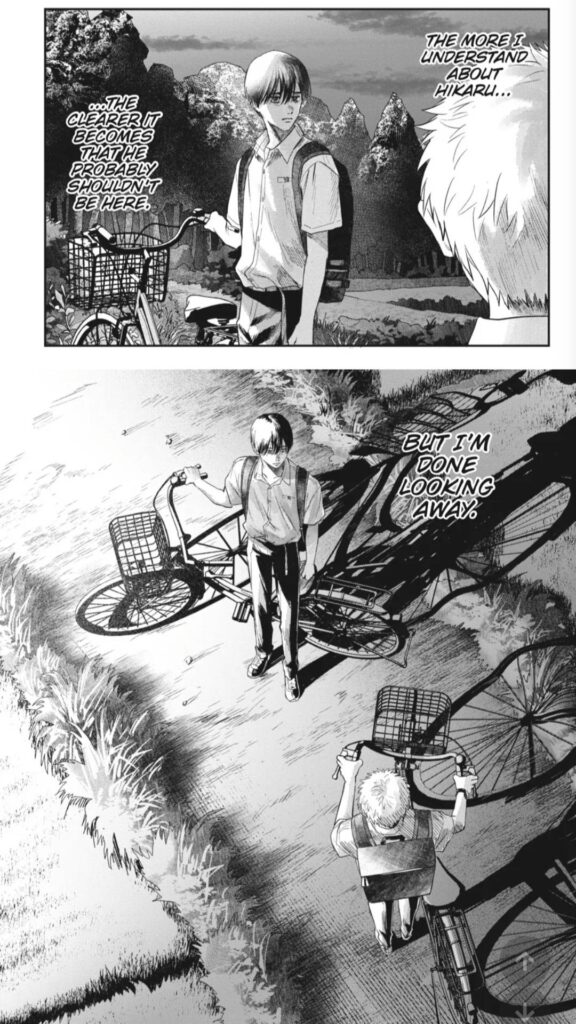
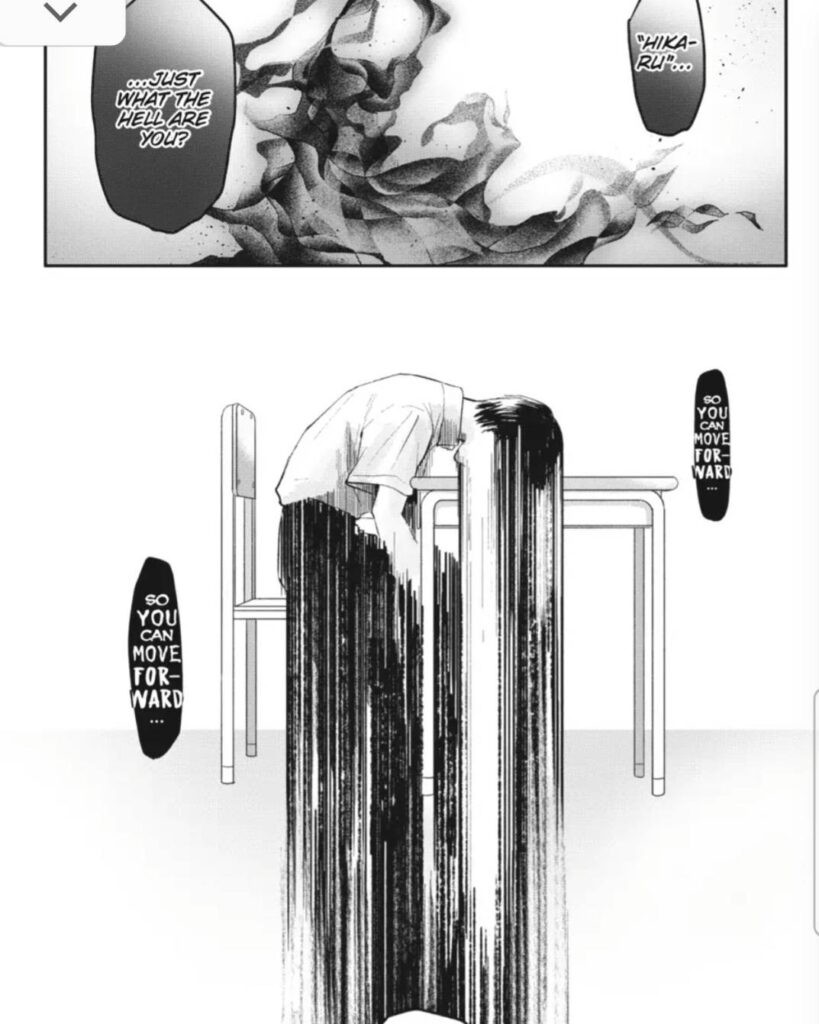
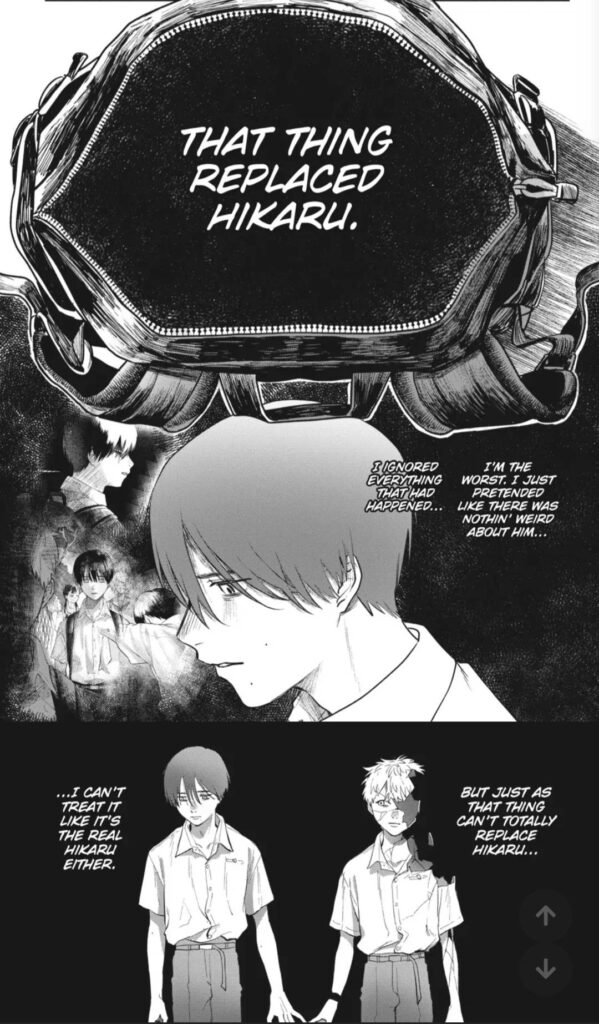
Yoshiki knows that whatever’s standing in front of him isn’t really Hikaru. The voice is the same, the smile is the same, the gestures are familiar but the essence is gone. That’s where the true fear seeps in. The horror isn’t that Hikaru is dead; it’s that Yoshiki can’t let go, even when every instinct tells him he should. This creates a powerful emotional tension. Yoshiki is trapped between what he knows and what he feels. He mourns Hikaru, but at the same time, he clings to the imitation. His grief transforms into denial, and his love turns into something unsettling. Something that blurs the line between loyalty and obsession.
Mokumokuren captures this emotional dissonance through small, quiet moments rather than big dramatic ones. A glance that lasts too long. A hesitation before calling Hikaru’s name. The unspoken weight of pretending things are normal when they’re clearly not. The result is a story where grief itself becomes a haunting. Yoshiki isn’t just haunted by Hikaru’s death, but by his own inability to move on.
Intimacy And The Horror Of The Closet
Unlike traditional cosmic horror that emphasizes human insignificance, The Summer Hikaru Died fuses it with human tenderness. What I mean by this is that cosmic horror often plays on the unknowable – entities or forces so vast that human existence feels meaningless in comparison. However, Mokumokuren flips this idea by presenting something that is also equally vast as it incomprehensible defying logic itself which is love and by extension intimacy. To fall in love, is to give into something so boundless is to risk great internal pain. Falling in love as a queer youth means to also show your true identity and at the same time putting yourself at potential danger of that identity being rejected by society.
This is shown at begining of the story as “Hikaru” opens up or rather comes out of the closet to Yoshiki of his true nature in a sincere albeit terrifying way. But Yoshiki accepts this burden placed upon him as this monster is similar enough to the real thing. Not only that, but this monster occupying Hikaru’s body has deep infatuation for him which is something that the real Hikaru could never be. Although this horrifies Yoshiki, having this version of him is better than not having him at all.
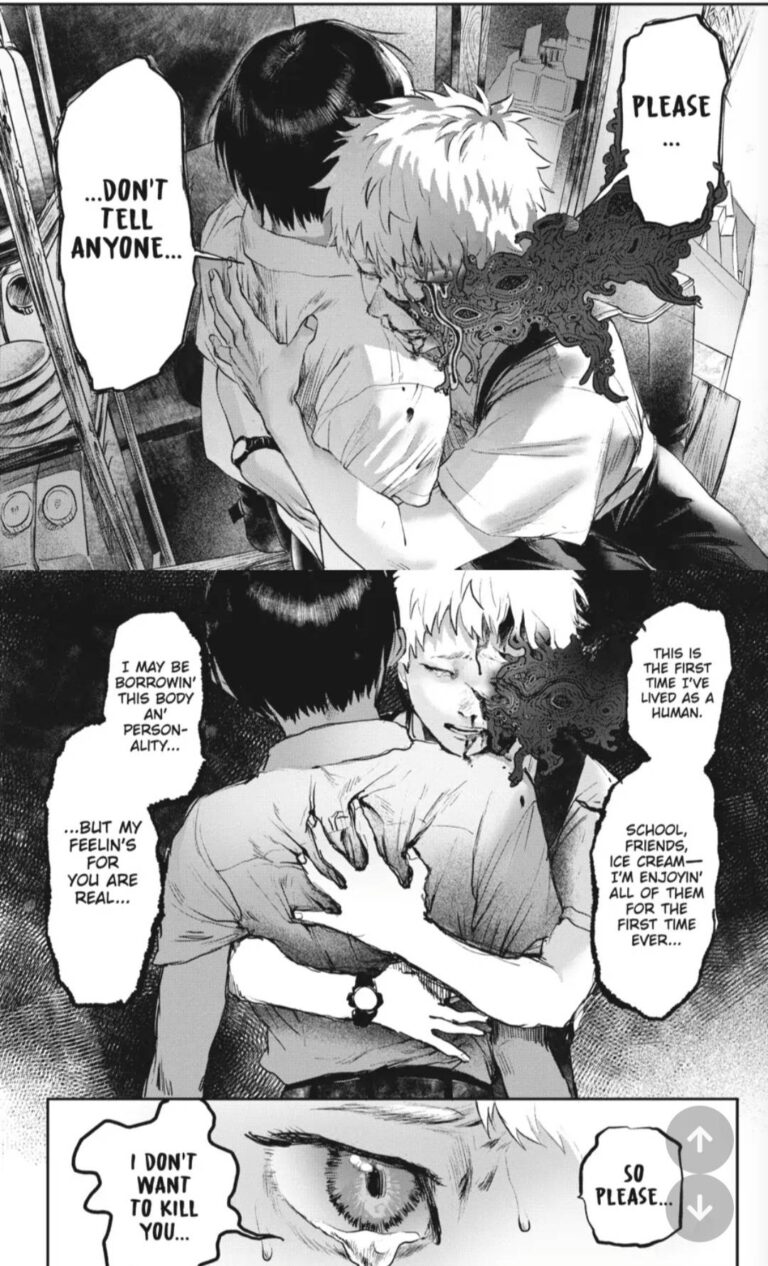
By keeping this secret between them from their entire village, Yoshiki and “Hikaru” develop a complicated relationship built on shame and therefore internalizes their queer feelings for each other as disgusting and unnatural. However, as they both try to live in a semblance of normalcy, they are unable to ignore their deep connection to each other. Just like horror, romance relies on tension and Mokumokuren beautifully incorporates this by exploiting this by combining the tension of romance with the fear of their bond being exposed to the world.
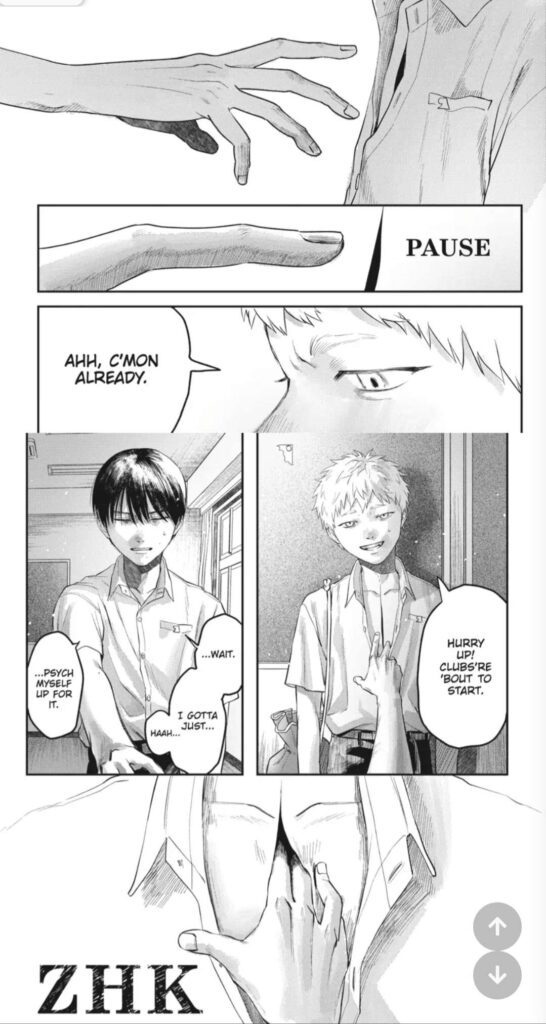
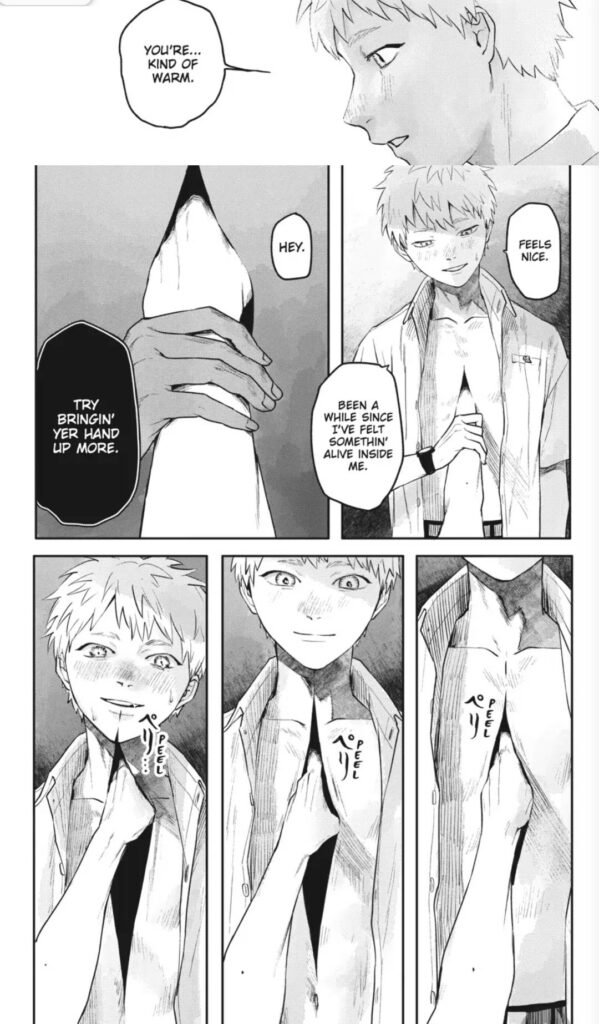
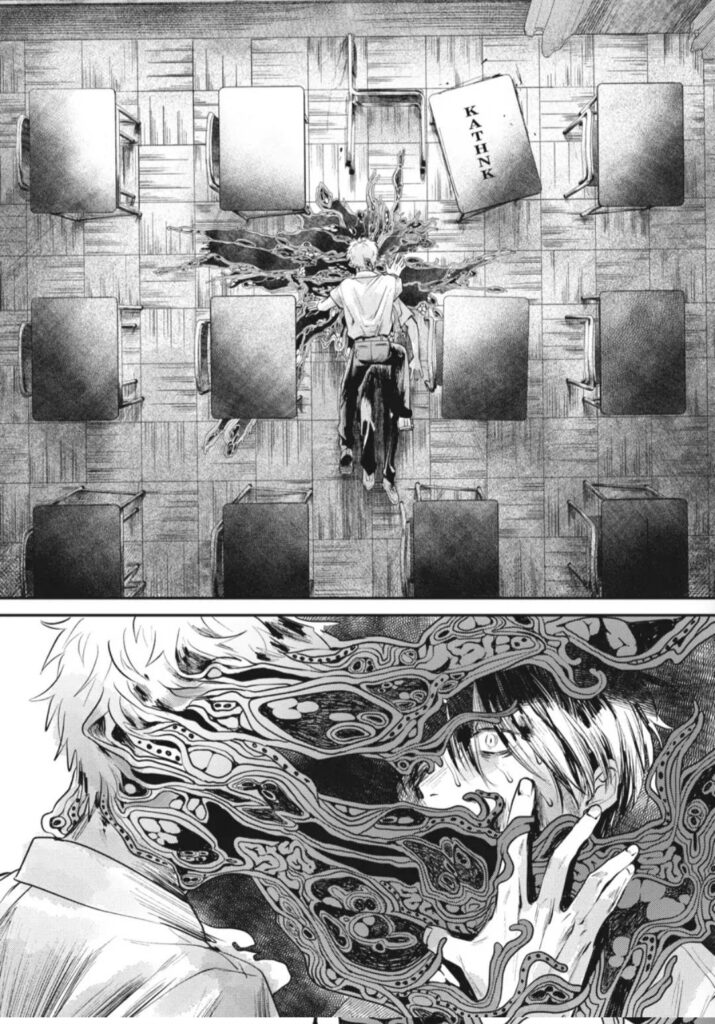
In a pivotal scene, Yoshiki and “Hikaru”, for a lack of better word, explores each other’s bodies during gym class. As Yoshiki reaches into “Hikaru’s” innards, feeling his cold yet inviting void, this brings great pleasure to Hikaru. And even though Yoshiki initially feels uncomfortable, he begins to enjoy himself. This encounter is strange and disturbing but undeniably erotic. It is the clumsiness of the exchange of touching another person in sexual way for the first time that adds a tenderness to this scene. I remember myself how confusing approaching intimacy with the same sex as no one teaches you these things. Despite them both enjoying this, Yoshiki is unable to let go of the shame he feels for him to fully let himself go (and for this context, it probably for the best considering Hikaru is a literal eldritch horror) and is something that continues to grow as their relationship grows into codependency, anxiety, and obsession.
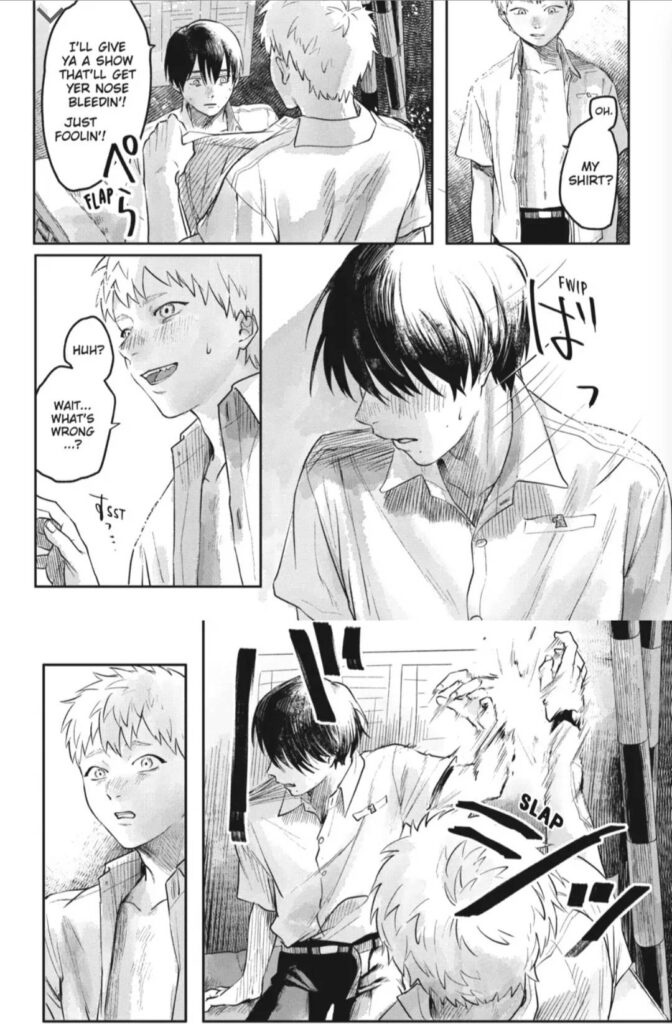
What I also find compelling about Yoshiki and Hikaru’s dynamic is that “Hikaru” is a lot more open about expressing this side of him and by suppressing this version of himself from the world, he reacts outwardly with aggression or acts out without thinking when he is forced to imitate ‘normal people’. Oppositely, Yoshiki goes further inward, plunging him into mental turmoil as he has to keep the act up for both him and “Hikaru”. This dynamic reminds me of a couple in which one is in the closet and the other is fully out to the world. “Hikaru” in later chapters expresses his inability to understand why must he be like ‘other people’ as it is his nature to be exactly himself; a monster that consumes human souls. While Yoshiki, on the other hand, tries desperately to maintain normalcy. He clings to the illusion of Hikaru because the alternative is too painful to bear. His repression isn’t just about hiding “Hikaru’s” true identity, but his own.
It’s a haunting reflection of queer experience. “Hikaru” embodies unapologetic existence while Yoshiki embodies survival through silence. Their relationship becomes a push and pull between revelation and repression, love and fear, acceptance and denial. The tragedy is that both of them are right in their own way: “Hikaru must be himself to live, and Yoshiki must pretend to survive.
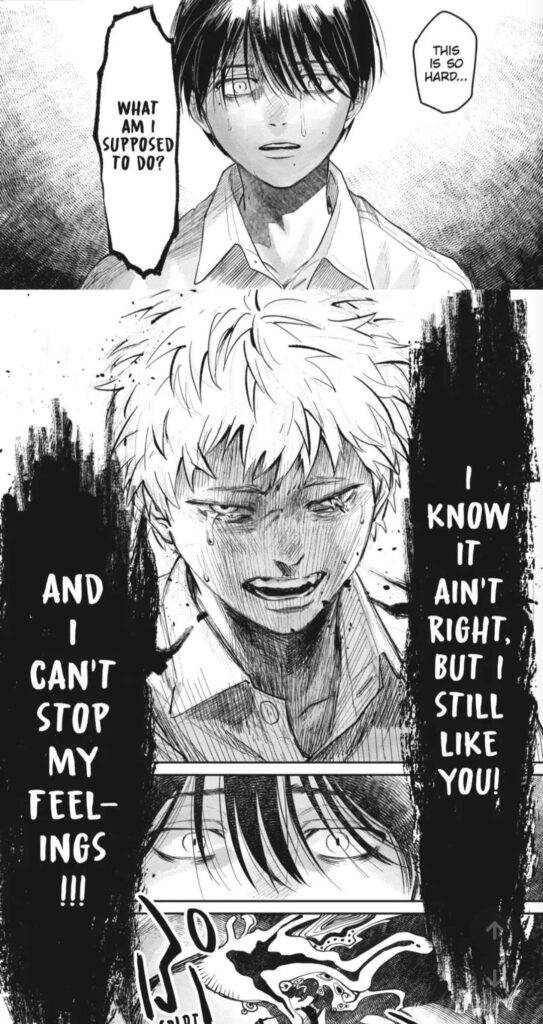
How Mokumokuren Uses Art To Illustrate Fear
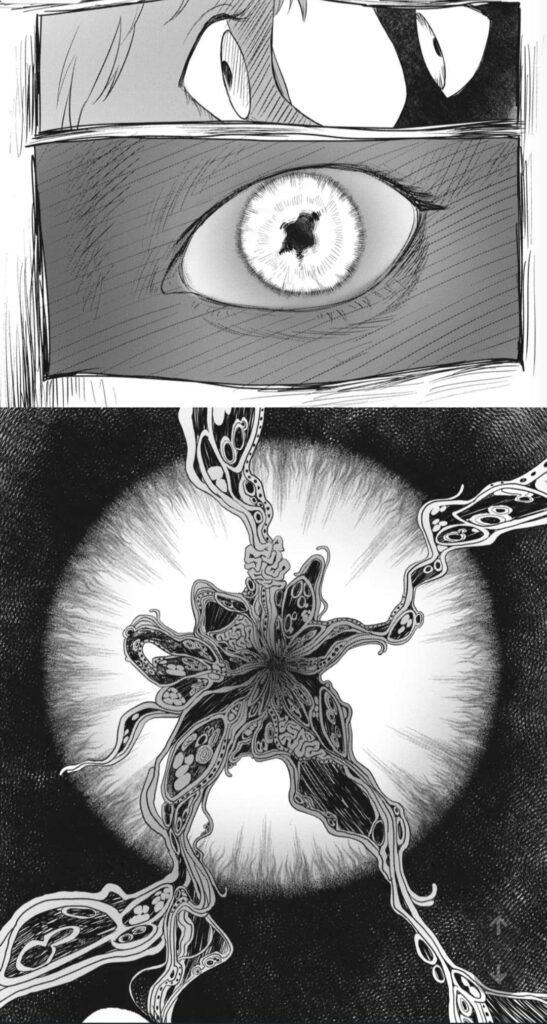
What makes The Summer Hikaru Died so disturbing is that it never relies on cheap scare tactics. The horror seeps through the art itself and its pacing, often giving the reader a false sense of security for a few chapters before once again reminding us that not everything is not what it seems.
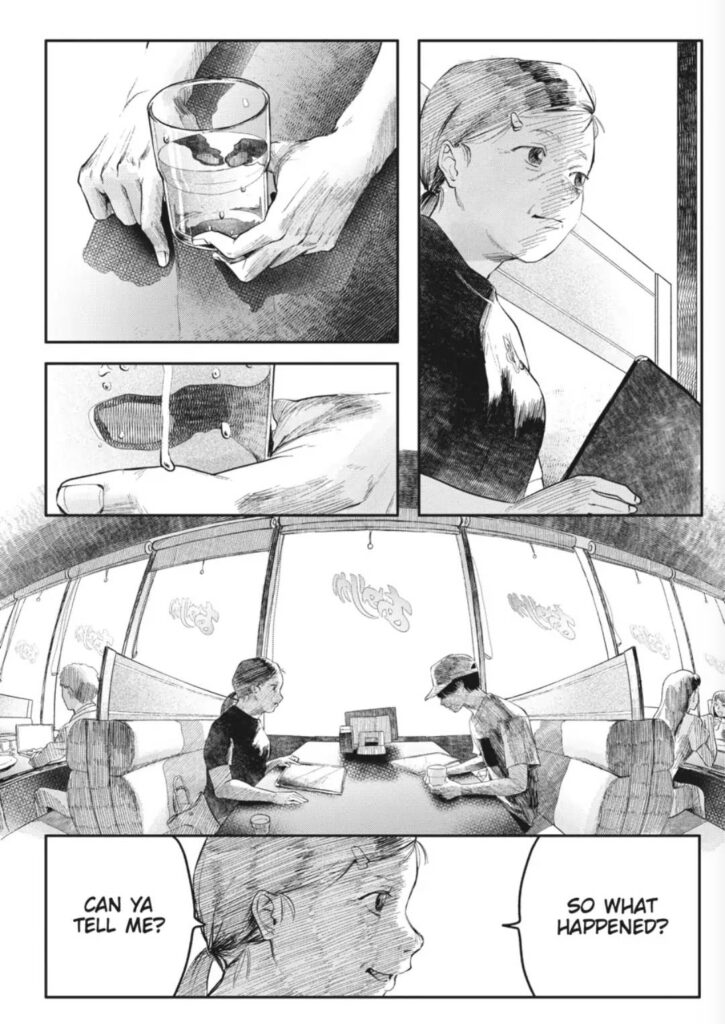
A lot of the manga execution comes from how quiet it is. The story is set in a small village in Japan. So small that Yoshiki and Hikaru were the only boys each others age with contributed to them being close. The peaceful countryside, drawn in soft lines and warm tones. It is incredibly atmospheric with its quiet hum of cicadas, the wide fields, festivals in the sweltering heat, you can almost place yourself there. Whole pages can pass without a single word but they are deafening. In these moments, you’re left with Yoshiki, alone with his thoughts and anxiety. You start to question your own instincts just like him.
Scenes flow gently and then fracture. A simple conversation in the hall turns to “Hikaru” suddenly losing control of himself. Or when “Hikaru” pulls at Yoshiki’s soul when he wakes up from his coma, surely his soul would’ve been swallowed whole if it wasn’t for Rie (our wonderful housewife) being there to stop it. The abruptness makes the horror feel casual, like it’s part of the air you breathe.
You are constantly reminded that “Hikaru” is not like us and is in fact a danger to everyone including Yoshiki. “Hikaru” talks like him. Even acts like him, but the emptiness behind his eyes makes you question if he is truly able to integrate himself into human society. His moments of normalcy fools the reader into believing that Yoshiki can have his cake and eat it too. But ultimately, “Hikaru” is unable to control his instincts to consume human life.
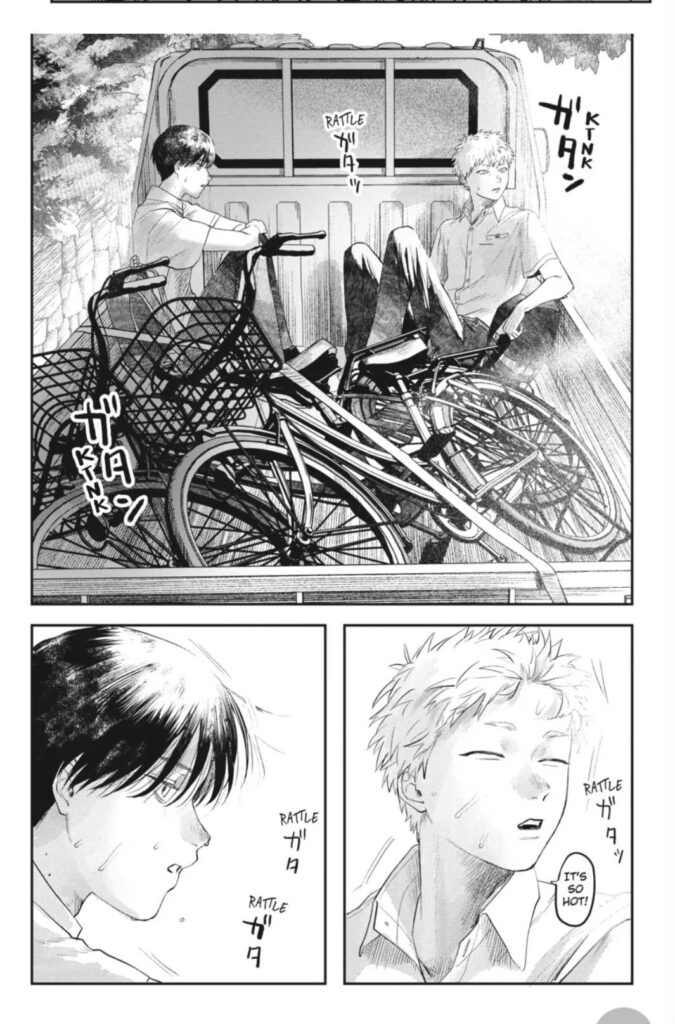
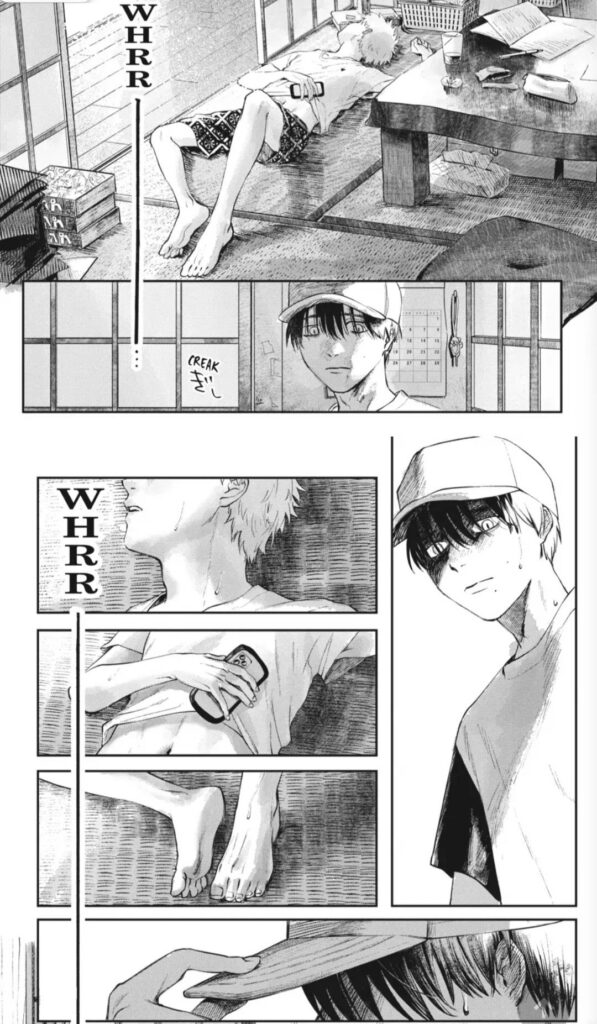
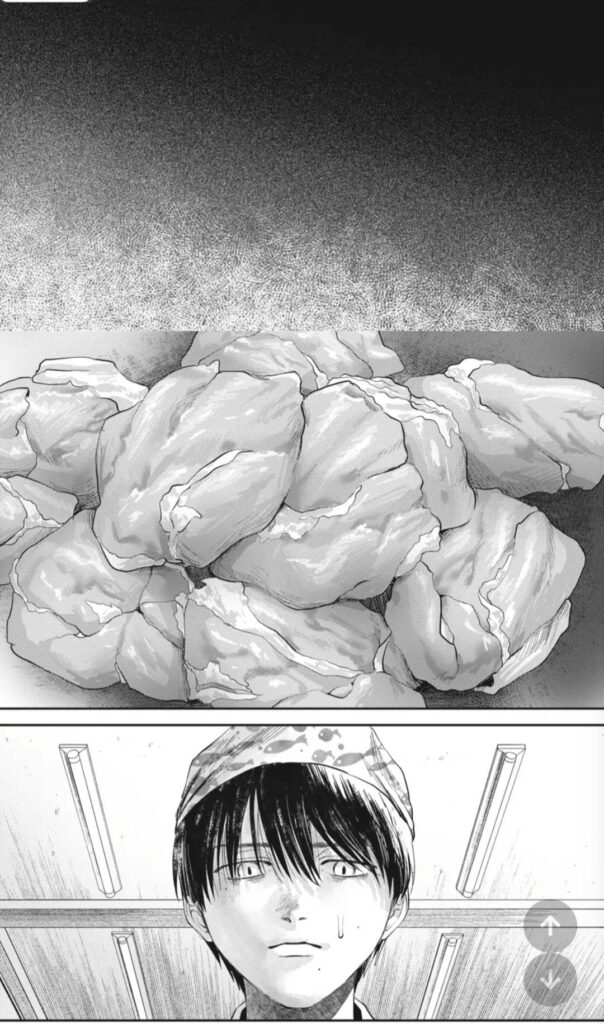
The 'Boy Love' Genre And The Importance of Relatable Queer Stories
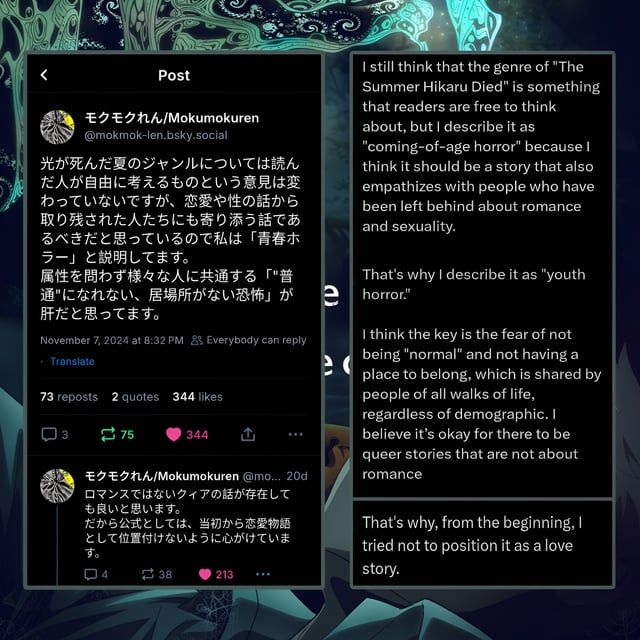
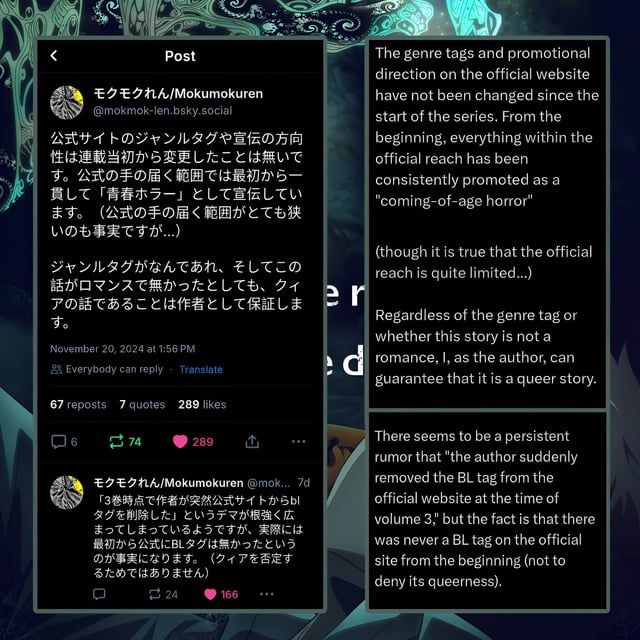
While researching The Summer Hikaru Died, I’ve came across a Bluesky post about where the manga stands in the genre. They say “…from the beginning, I tried not to position it as a love story…I, as an author, can guarantee that it is a queer story.” As I read it, it reaffirmed a feeling a had as I was reading manga; this doesn’t feel like typical queer stories I read in the past. When I was younger, I would frequently search through the ‘Girl Love’ stories to satisfy my own curiosity as I started to come to terms with my own sexuality as a lesbian. I remember reading stories like Bloom Into You (shout out to those who know!) and although it filled my need for queer media, in the end it did not reflect my real world experience with queerness. Unlike the sweet and blooming high school romances presented in these stories, I’ve had a rough time navigating my sexuality as a young adolescent.
I’ve felt real shame growing up gay in the deep south of Alabama. There were no healthy outlets to express my identity as a queer teen back then and therefore felt alienated. When I read The Summer Hikaru Died, I remember that stressful time in my life. I remember my “Hikaru” growing up. Well, she wasn’t body snatched by an primordial eldritch being but I relate to Yoshiki on a deep level. Growing up in a small, backwards town, I felt suffocated.
A lot of manga and anime that depicts LGBTQ+ themes are often over exaggerated or fetishistic in nature. These types of stories have there place in the world as well (lets not pretend we do not often find them entertaining!) however, its good to have stories that take the topic in a thoughtful way that feels relatable. The Summer Hikaru Died isn’t about romance in the traditional sense, its about connection, longing, and losing someone that makes you feel seen. The story presents queerness not through labels or declarations, but through the quiet ache of attachment — the kind that blurs the line between love and dependence.
Mokumokuren captures the feeling perfectly. Not through grand gestures, but through the quiet ache, in hesitation, in unspoken words between two people who shouldn’t exist together but do despite it. The horror comes from intimacy itself, from the idea that love can survive even when everything else falls apart.
I agree with Mokumokuren’s decision to call this a ‘coming-of-age’ and not a ‘Boy Love’. That’s what makes the story special. It is queer in its bones in the way it understands isolation, and the strange comfort of being known by something that shouldn’t know you. It’s eerie, sad, and oddly beautiful, like seeing a reflection of your younger self in the dark. And sometimes, that’s what the best horror does. It doesn’t just scare you, it reminds you.
I give this manga a strong 5/5 Stars!
- Thought Provoking
- Beautiful Art
- Fleshed Out Characters
- Unique Story
- Great Pacing
- Emotional Depth
- Atmosphere
- Nailed Tone And Themes
Leave a Reply